IL-4 Human Recombinant Protein
$50.00 to US & $70.00 to Canada for most products. Final costs are calculated at checkout.
Background
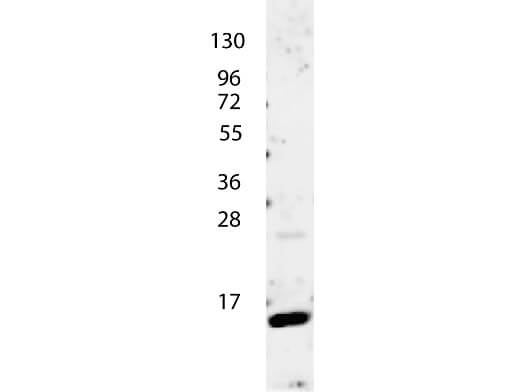
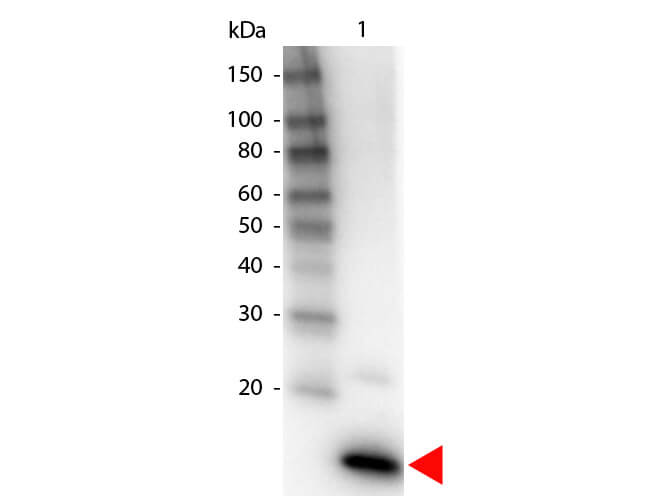
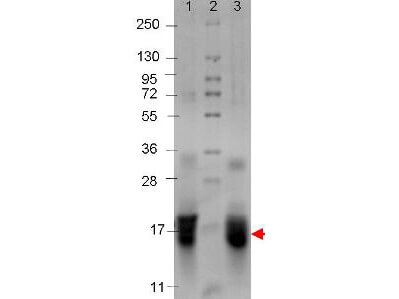
Interleukin (IL)-4, secreted primarily by CD4(+) T cells is an immunomodulatory cytokine, which can inhibit the growth of tumour cells. IL-4 has been known as a Th2 cytokine and can act on B cells, T cells, and monocytes. Interleukin (IL)-4 exhibits antitumor activity in rodent experimental gliomas, which is likely mediated by the actions of IL-4 on a variety of immune cells present in and around the tumor masses. It participates in several B-cell activation processes as well as of other cell types. It is a costimulator of DNA-synthesis. It induces the expression of class II MHC molecules on resting B-cells. It enhances both secretion and cell surface expression of IgE and IgG1. It also regulates the expression of the low affinity Fc receptor for IgE (CD23) on both lymphocytes and monocytes. Recombinant Human IL-4 produced in E. coli is a single, non-glycosylated polypeptide chain containing 130 amino acids and having a molecular mass of 15,000 Daltons.
Product Details
Target Details
Application Details
Formulation
Shipping & Handling
This product is for research use only and is not intended for therapeutic or diagnostic applications. Please contact a technical service representative for more information. All products of animal origin manufactured by Rockland Immunochemicals are derived from starting materials of North American origin. Collection was performed in United States Department of Agriculture (USDA) inspected facilities and all materials have been inspected and certified to be free of disease and suitable for exportation. All properties listed are typical characteristics and are not specifications. All suggestions and data are offered in good faith but without guarantee as conditions and methods of use of our products are beyond our control. All claims must be made within 30 days following the date of delivery. The prospective user must determine the suitability of our materials before adopting them on a commercial scale. Suggested uses of our products are not recommendations to use our products in violation of any patent or as a license under any patent of Rockland Immunochemicals, Inc. If you require a commercial license to use this material and do not have one, then return this material, unopened to: Rockland Inc., P.O. BOX 5199, Limerick, Pennsylvania, USA.